How Older Women Learn to Optimize Their Way Through Decline
Elaine is 82 years old. She wakes before the alarm because sleeping late makes the day feel rushed. She moves carefully, not because she is fragile, but because recovery now takes longer than mistakes.
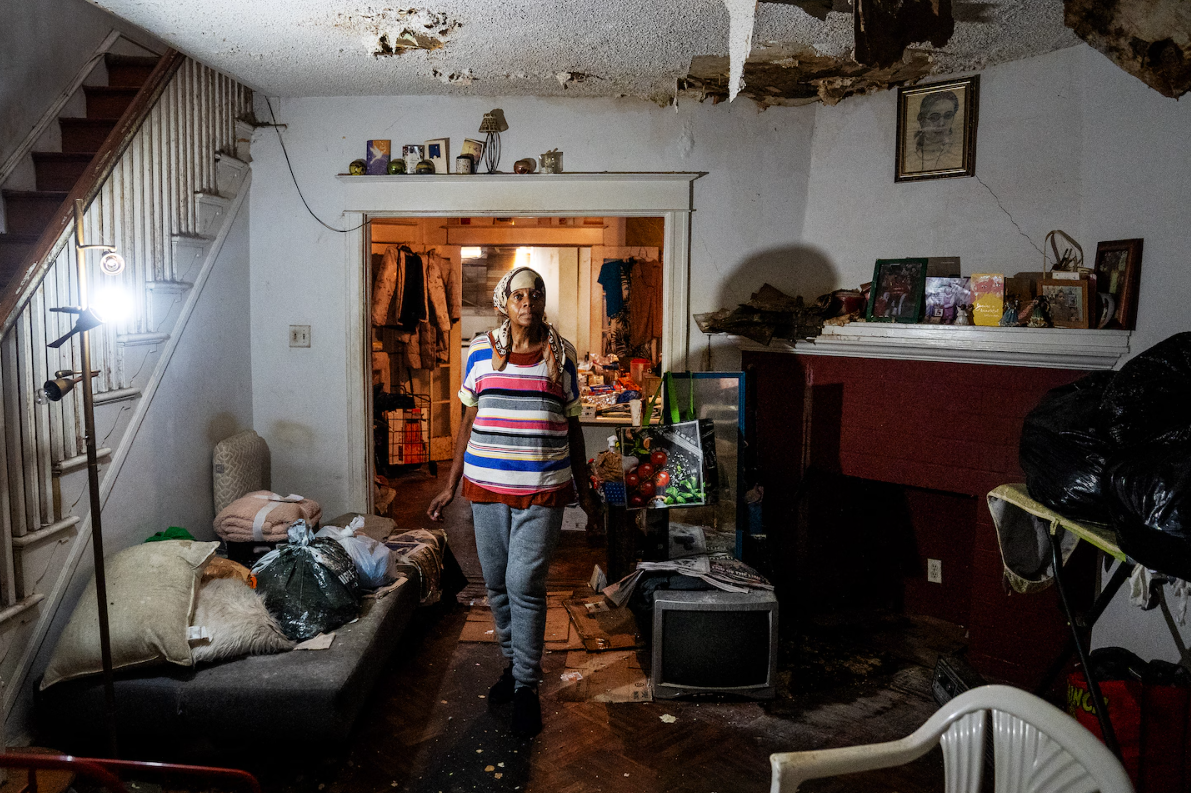
Elaine is 82 years old. She wakes before the alarm because sleeping late makes the day feel rushed. Her apartment is quiet in the morning, the kind of quiet that carries both peace and warning. She moves carefully, not because she is fragile, but because recovery now takes longer than mistakes.
She lives alone in a one-bedroom apartment in a mid-sized city that once promised stability to people like her. The building was built in the 1960s, when working lives followed predictable arcs and retirement meant something close to rest. The carpets are thin. The elevator works most days. Repairs take time.
Elaine makes coffee and sits at the small table by the window. She does not turn on the heat yet. Mornings are expensive. She waits until the cold becomes distracting.
Her income arrives once a month. Social Security, a small survivor benefit from her husband, nothing else. There is no pension. There is no savings cushion. She has lived long enough to understand that the absence of catastrophe is not the same thing as security.
A Life Built Without Slack
Elaine grew up believing that careful living would be enough. She worked most of her adult life, largely in clerical and service roles. The work was steady. The pay was modest. Benefits were limited. She left the workforce for stretches to raise children, then returned to lower wages and fewer protections.
Her husband worked until his health declined. When he died, the transition was administrative as much as emotional. Paperwork replaced certainty. Benefits adjusted downward. Promises narrowed.
Elaine does not talk about this as loss. She talks about it as sequence.
She remembers when Medicare felt sufficient. She remembers when rent increases were rare enough to plan around. She remembers when groceries could be purchased without calculation. These are not memories she shares to complain. They are benchmarks she carries quietly, a way of measuring how much effort it now takes to stand still.
The Math of Staying Afloat
Elaine’s life is governed by arithmetic.
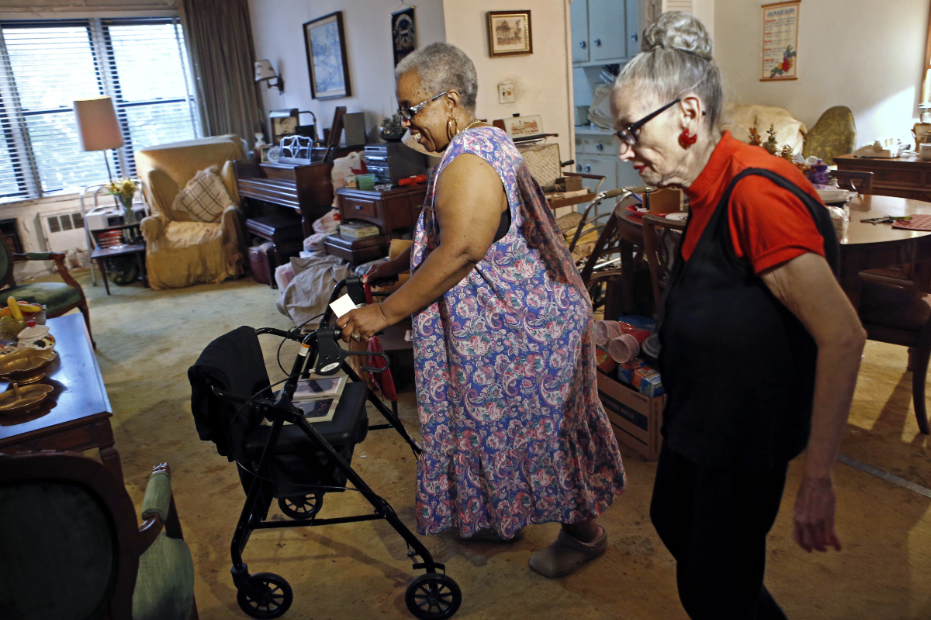
Rent consumes more than half her income. Each annual increase is legal, modest on paper, destabilizing in practice. Moving is not an option. Deposits, first and last month’s rent, and the physical toll of packing and unpacking would exceed her reserves. She stays because staying costs less than leaving.
Healthcare is the second calculation. Medicare covers basics. Supplemental plans are expensive. Prescriptions fluctuate in price. She times refills. She stretches pills when she should not. She tells herself it is temporary, then forgets to revisit the decision.
Food shopping happens once a week. She knows prices by heart. She eats less protein than she should. She buys what lasts. Meals are functional, not enjoyable. Waste feels irresponsible.
Utilities are seasonal risks. She tracks patterns. She uses less heat than is comfortable. She sits still to stay warm. She knows which months are dangerous and which ones offer brief relief.
Transportation is managed cautiously. She still drives, slowly. Public transit exists, technically. Each trip is planned. One mechanical failure would force decisions she is not prepared to make.
Elaine is not poor because she mismanaged money. She is poor because time and policy compounded against her in small, consistent ways. The margin she lives inside is thin by design.
Competence Under Pressure
What distinguishes Elaine is not resilience in the heroic sense. It is competence under constraint.
She keeps meticulous records. She schedules appointments carefully to reduce travel. She knows which services are worth the effort and which ones cost more than they return. She does not expect systems to adapt to her. She adapts to them.
What she fears most is not death. It is sudden cost. A dental emergency. A rent spike. A medical bill that arrives without warning. She worries about becoming dependent on family she does not want to burden. Autonomy matters to her more than comfort.
Asking for help feels like explaining herself. Explaining herself feels like failure.
Elaine has lived long enough to understand that many systems are designed to function smoothly only when users absorb the friction. When she hears language about efficiency, she listens for where the cost will land.
What Changed Around Her
Elaine did not become older in isolation. The world around her shifted.
Housing became financialized. Retirement security moved from shared responsibility to individual endurance. Healthcare costs were redistributed quietly. Utilities consolidated. Services disappeared, then reappeared with fees attached.
None of these changes arrived as a single decision. They arrived as layers.
Elaine learned to adjust each time. What she did not have was a way to push back on accumulation. The problem was never one bill. It was the way the bills were stacked without regard for Elaine receiving them.
She watches the news carefully. She does not trust slogans. She listens for competence. She pays attention to whether leaders talk about predictability, stability, and dignity, or whether they speak only about growth and efficiency.
Aging Without a Net
Elaine’s days are not dramatic. They are heavy.
She plans. She waits. She calculates. She rests when she can. The effort required to maintain independence increases each year. The support available to ease that effort does not.
Aging, for her, is not a cultural problem. It is a structural one. It is the result of systems that assume family wealth, stable housing, and declining needs. None of those assumptions fit her life.
She does not want sympathy. She wants systems that respect planning. She wants fewer surprises. She wants to know that effort will not be punished by volatility.
What This Story Is Asking
Elaine’s story is not exceptional. That is the point.
Millions of older women live this way, optimizing continuously, absorbing pressure quietly, extending independence through vigilance rather than support. They are competent. They are careful. They are exhausted.
The question is not whether they deserve better. The question is whether anyone is paying attention to what better would actually look like.
Lift Up Democracy exists to document how policy decisions land in real lives over time, especially when the impact is cumulative rather than sudden. This work is not funded by corporations or political machines. It exists because readers decide that sustained attention matters.
If Elaine’s life felt familiar, it is because the systems shaping it are widely shared. Interrupting that trajectory requires understanding it clearly, without distortion or dismissal.
This reporting exists because readers make it possible.
Author
Sign up for Lift Up Democracy newsletters.
Stay up to date with curated collection of our top stories.