The Problem With “Independent Media”
The lack of a "brain" often results in poor outcomes. Individual writers and outlets operate without shared planning, coordination, or an editorial center that decides what actually needs coverage on a given day. What other result could we expect from this design?
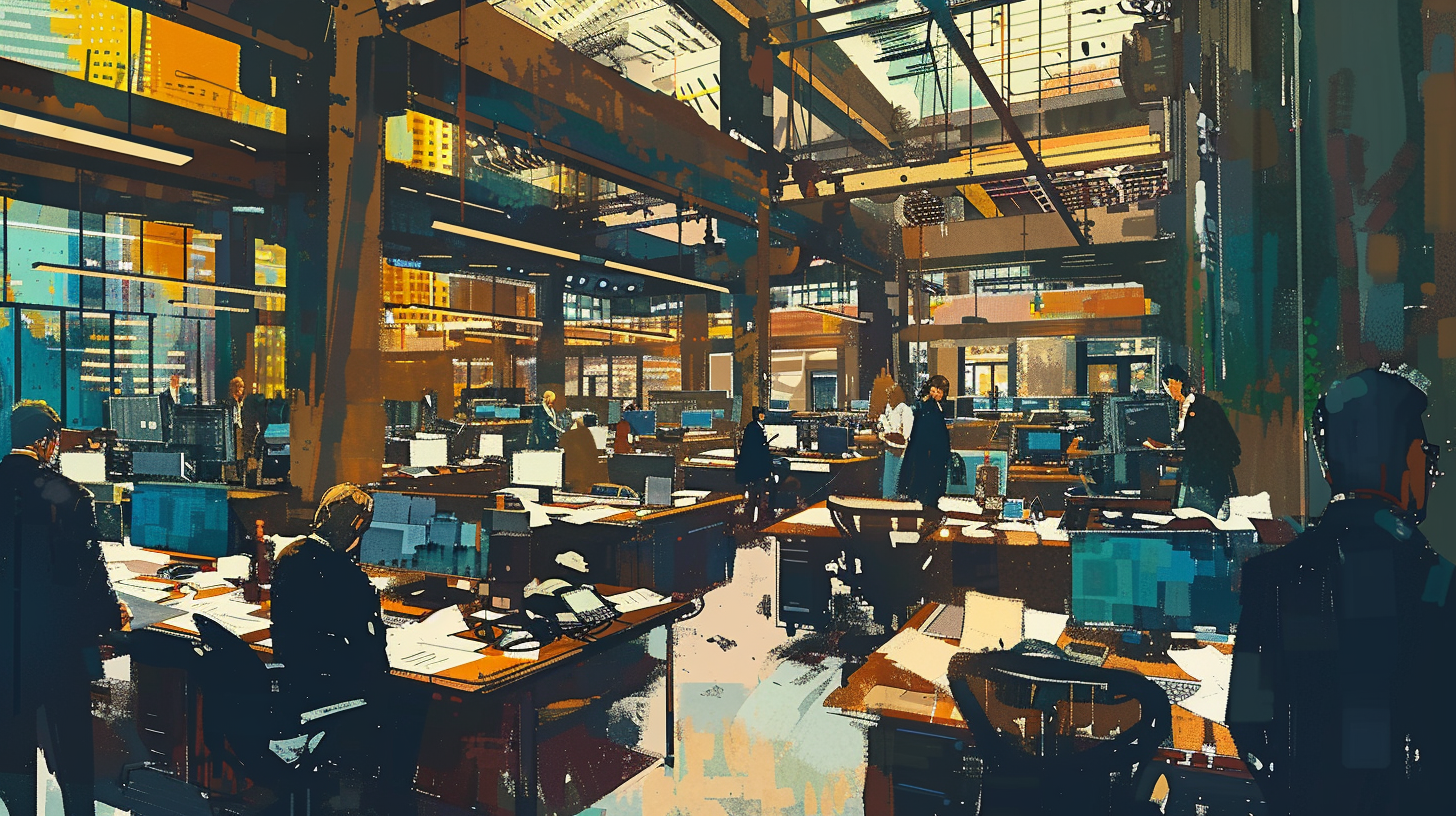
Most people hear the phrase “independent media” and assume it means freedom. Freedom from corporate pressure. Freedom from political capture. Freedom from stale thinking.
In practice, independence has come to mean something else. It's evolving, but hasn't reached a coordinated, cohesive structure.
The lack of a "brain" often results in poor outcomes. Individual writers and outlets operate without shared planning, coordination, or an editorial center that decides what actually needs coverage on a given day. The result is chaotic and swarm-based, but what other result could we expect from this design?
When a story breaks, everyone piles onto the same narrow angle at the same moment. Hundreds of near-identical takes appear within hours. Other essential stories are ignored entirely. Long-term issues drift in and out of attention without resolution or follow-up. Readers are left with volume rather than understanding.
This is not because writers are careless. It is because the system has no brain.
Why This Happens
Large newsrooms used to solve this problem through editorial structure. A production editor or managing editor decided what would be covered, how much attention each topic deserved, and which stories needed follow-up over time. That function balanced immediacy with continuity.
As mainstream media downsized and consolidated, that editorial function was weakened or subordinated to traffic goals. As independent media grew, it replaced coordination with autonomy.
Autonomy alone does not produce balance. It produces mimicry.
Writers gravitate toward whatever appears urgent or rewarded by attention. Over time, this creates a nervous system that twitches in response to signals generated elsewhere. The result is reactive journalism rather than deliberate journalism.
What Lift Up Democracy Does Differently
Lift Up Democracy is built around a newsroom model, not a collection of isolated voices.
At the center is an editorial function that decides what needs coverage in a given cycle. That includes breaking news, but it also includes ongoing policy issues, candidate platforms, and stories that require sustained attention over months rather than hours.
The goal is not to suppress opinion. It is to allocate attention responsibly.
There will only ever be so many slots for any one topic on a given day. Those slots are chosen deliberately. Other space is reserved for stories that would otherwise be crowded out, including local and state campaigns, policy consequences, and follow-ups that close the loop for readers.
This restores a basic newsroom discipline that has been lost on both sides of the media divide.
 Donate Today to Lift Up Democracy
How Independent Creators Fit Into This Model
Writers, podcasters, and journalists remain independent in their voice and perspective. What changes is how work is commissioned and sequenced.
Lift Up Democracy operates on a beat-based system. Contributors apply for specific assignments at defined rates. Work is selected based on fit, quality, and demonstrated reliability. Payment is structured to reward follow-through and factual rigor.
Over time, contributors build a track record. Those who consistently produce strong work are offered more opportunities. Those who do not are phased out without drama.
This creates accountability without gatekeeping and coordination without conformity.
Where Technology Helps
The editorial team is supported by tools that synthesize incoming information across platforms and flag emerging stories, recurring narratives, and neglected issues. These tools do not decide what gets published. They inform human judgment.
This allows editors to see the landscape clearly rather than reacting to whichever topic is trending loudest at the moment. It also enables systematic revisiting of long-term issues such as housing, healthcare, and affordability, ensuring they return to public attention with context rather than fatigue.
Why This Matters to Donors
Donors are not funding more noise. They are funding a functioning newsroom.
Your contribution supports the editorial capacity that decides what deserves attention and what can wait. It supports coordination that prevents redundancy and neglect. It supports a system that values follow-up, clarity, and relevance over speed alone.
Independent media does not fail because it lacks passion. It fails when it lacks structure.
Lift Up Democracy is designed to provide that structure without sacrificing independence. It treats journalism as a public service that requires planning, discipline, and judgment.
That is what your support makes possible.
Donate Today to Lift Up Democracy
Author

I'm a former corp exec, with a background in social systems, political sci, global history, and economics. I'm applying what I know to create a socially shared, responsible Digital Newsroom that promotes factual, insightful reporting.
Sign up for Lift Up Democracy newsletters.
Stay up to date with curated collection of our top stories.