The Turn Inside the System
In a small town in the upper Midwest, Tom, a 28-year-old man, wakes up before sunrise to get ready for work. This story amplifies his plight.
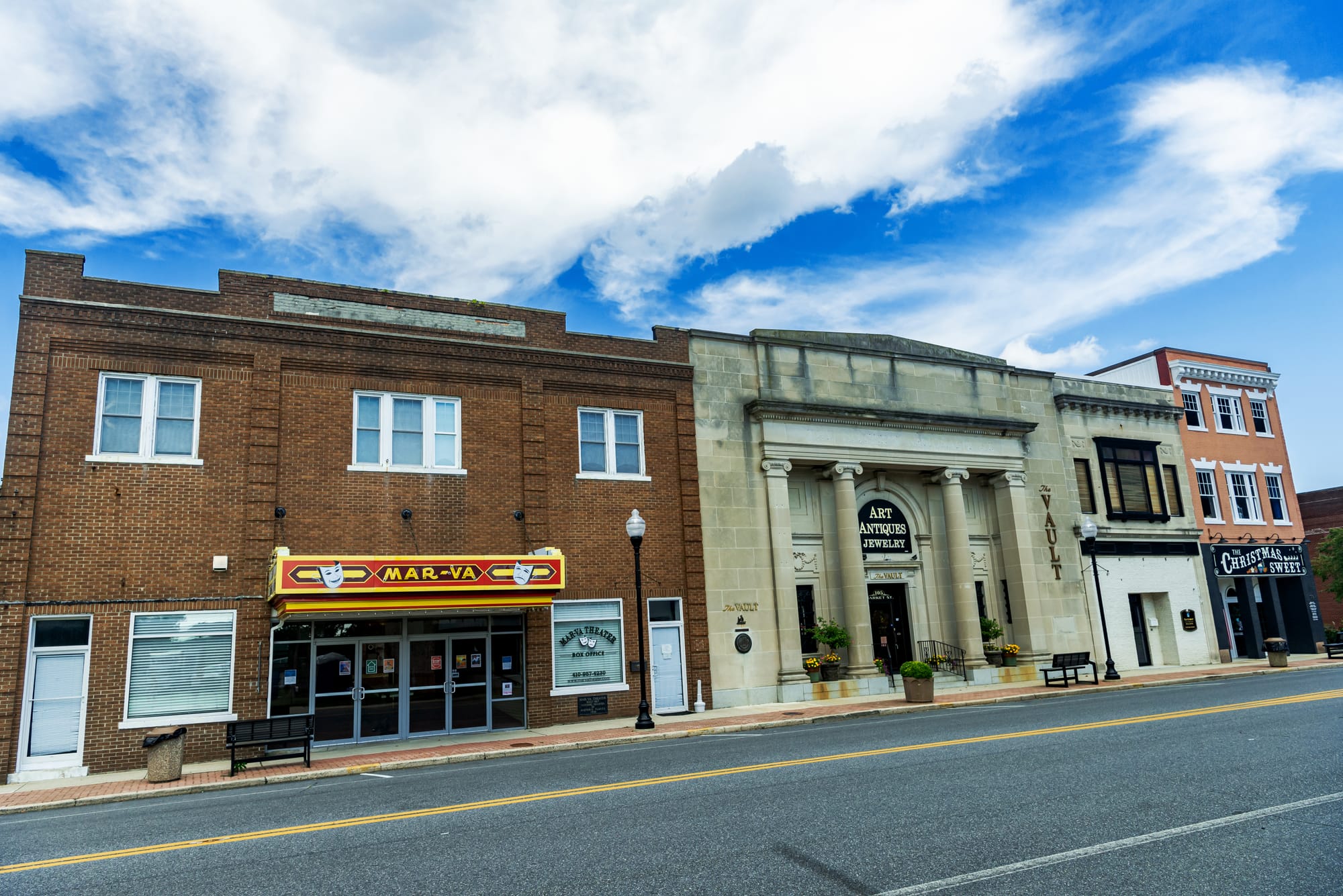
In a small town in the upper Midwest, Tom, a 28-year-old man, wakes up before sunrise to get ready for work. He lives in the house he grew up in, not because he planned to stay, but because leaving turned out to be more expensive than expected. His job is steady enough, but it does not come with health insurance. The nearest hospital is more than an hour away. The clinic in town now operates three days a week.
This is not a story about ambition. It is a story about invisible fences.
Tom has looked at jobs in nearby cities. On paper, the pay is higher. In practice, rent would absorb most of the increase. Selling his small house would not generate enough capital to restart somewhere else. Staying means fewer services and more risk. Leaving means losing the only financial foothold he has. Month by month, he delays the decision, not because he is indecisive, but because he is choosing between two unstable options.
This is the decision facing many rural young adults.
The Loop You Learn Before You Name It
Tom remembers the conversations from high school clearly. They happened late, usually in parked cars or on porches, after football games or work shifts. Everyone talked about leaving. Not angrily. Casually. As if it were already decided.
They talked about where they would go. Cities they had seen online. Jobs that sounded more interesting than anything their hometown had ever offered. Nobody talked about how. That part was assumed to work itself out.
Some of the older kids did leave. A few made it stick. Most came back within a few years. When they returned, they did not talk much about why. They took whatever work was available and folded back into the routines they had promised themselves they would escape.
By his early twenties, the lesson was already clear, even if he did not have words for it. Leaving was possible, but it came at a cost that was easy to underestimate. Starting over meant rebuilding relationships from scratch and giving up the informal support that came with being known. His parents were blunt. Leaving was riskier. Staying was safer. Neither option felt like progress.
The job Tom found after school paid enough to get by. It did not pay enough to grow. There were no ladders to climb because there were no higher rungs. Skills that might have transferred elsewhere never had a place to develop. The work became repetitive, then automatic. Days blurred. Years passed.
This is where wage stagnation becomes something more than a line on a chart. When income plateaus early, it is not only money that stops moving. Skills do too. So does confidence. So does the sense that effort will be rewarded with something new.
He watched friends settle into the same pattern. Long hours. Limited options. Conversations that shifted from plans to complaints to silence. Social media filled the gaps. It was easier to comment on other people’s lives than to plan a different one.
Healthcare hovered in the background of every decision. The hospital that once served the area closed when Tom was still in high school. The nearest emergency room is now more than an hour away. That fact is not debated. It is absorbed. Jobs are chosen with insurance in mind. Risks are avoided. Training programs that require relocation feel reckless rather than ambitious.
Government help exists, but it never looks like a path forward. Assistance is temporary, conditional, and difficult to plan around. It is something you use and then explain away, not something you build a future on. Over time, reliance hardens into resentment, even when no alternative is visible.
This is the loop. It does not arrive all at once. It settles in early and tightens gradually. By the time someone realizes they are stuck, they are already invested in staying afloat rather than starting over.
What makes the loop so difficult to escape is that it predates any single choice. Parents lived with it. Friends absorbed it. The expectation that nothing really changes becomes part of the environment, like weather. You plan around it. You do not challenge it.
By the late twenties, the question is no longer whether to leave. It is whether leaving would actually solve anything. The fear is not failure. It is ending up in the same place, only farther from home.
What This Moment Is Quietly Producing
Across rural communities, this pattern is generating something new. Not rage. Not nostalgia. A colder realization.
People like Tom are not waiting to be rescued. They are waiting to be understood accurately. They know the old promises did not hold. They also know that no outside force is coming to rebuild their lives for them.
What they are looking for is proof that someone is paying attention to how decisions actually land on the ground. That experience matters. That the gap between policy and lived reality is not invisible.
Some of the people beginning to articulate that gap are younger leaders who grew up inside it. They are not defending the past. They are not repeating slogans. They are asking different questions, about how wealth is created locally, how risk is shared, and how communities stop being treated as expendable.
Whether those voices are heard depends on whether there is an institution willing to document what life looks like before the talking points arrive.
Why This Story Exists
Stories like Tom’s are common. Serious, sustained attention to them is not.
Lift Up Democracy exists to document how policy is experienced in real life, especially in places that are easy to overlook and hard to leave. This work is not funded by corporations or political machines. It exists because readers decide it should.
If this story felt familiar, it is because it reflects a reality many people recognize but rarely see described honestly. If work like this matters, reader support is how it continues.
Author
Sign up for Lift Up Democracy newsletters.
Stay up to date with curated collection of our top stories.